Elemore Morgan Jr. created a way for people to see the world he shared with them
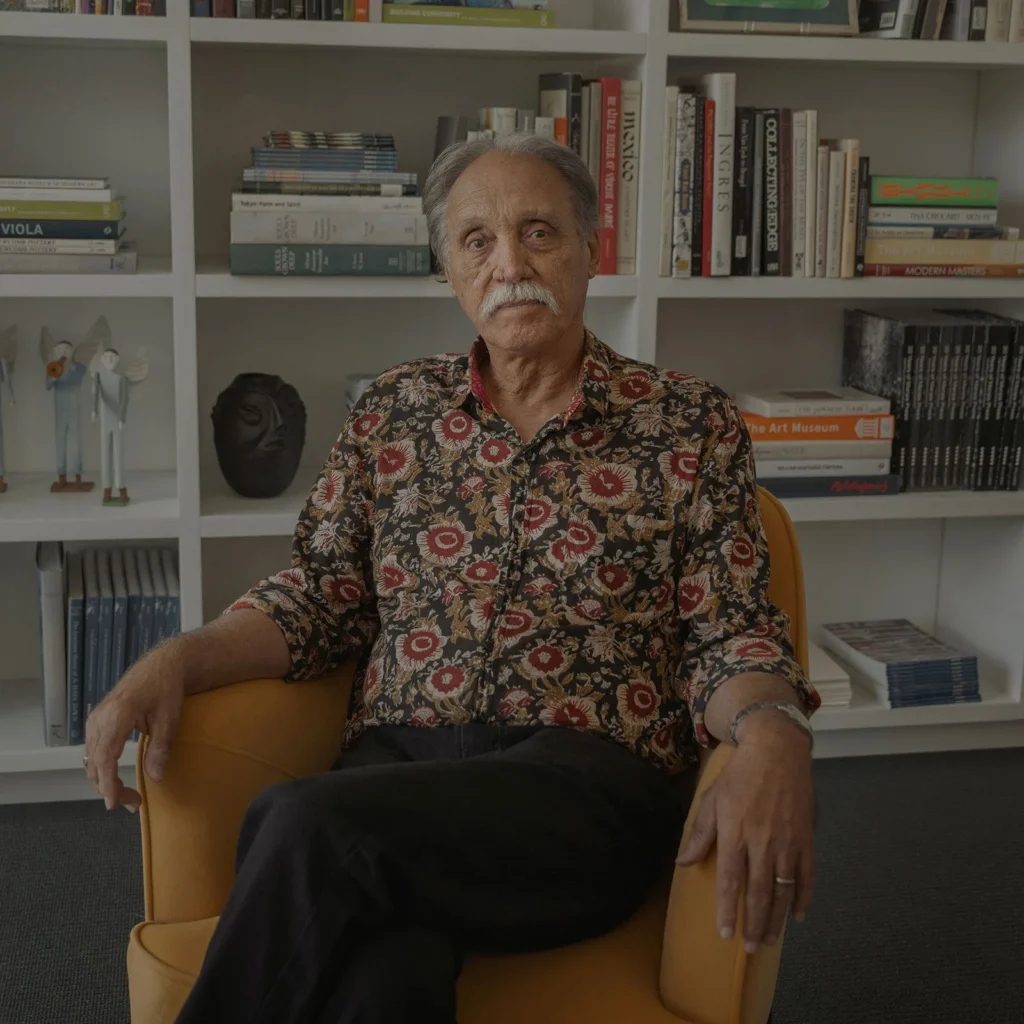
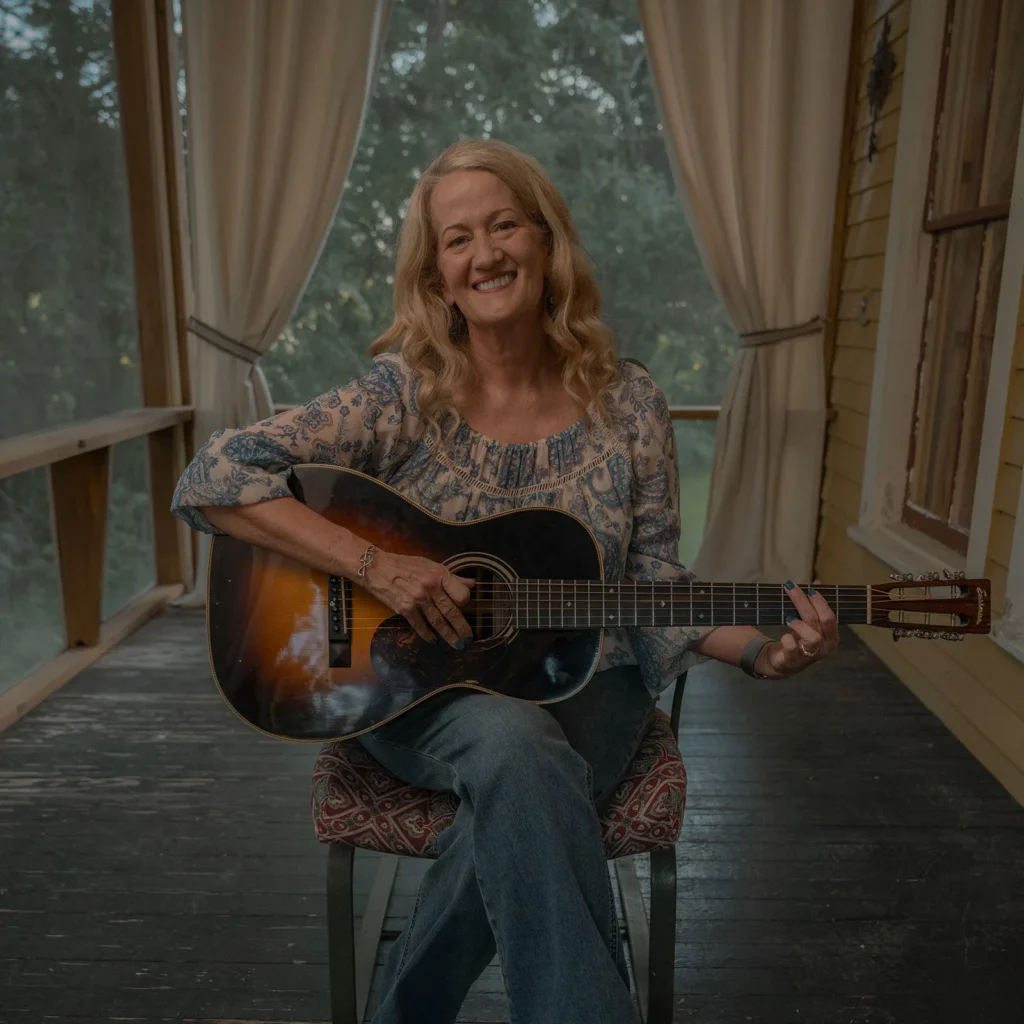
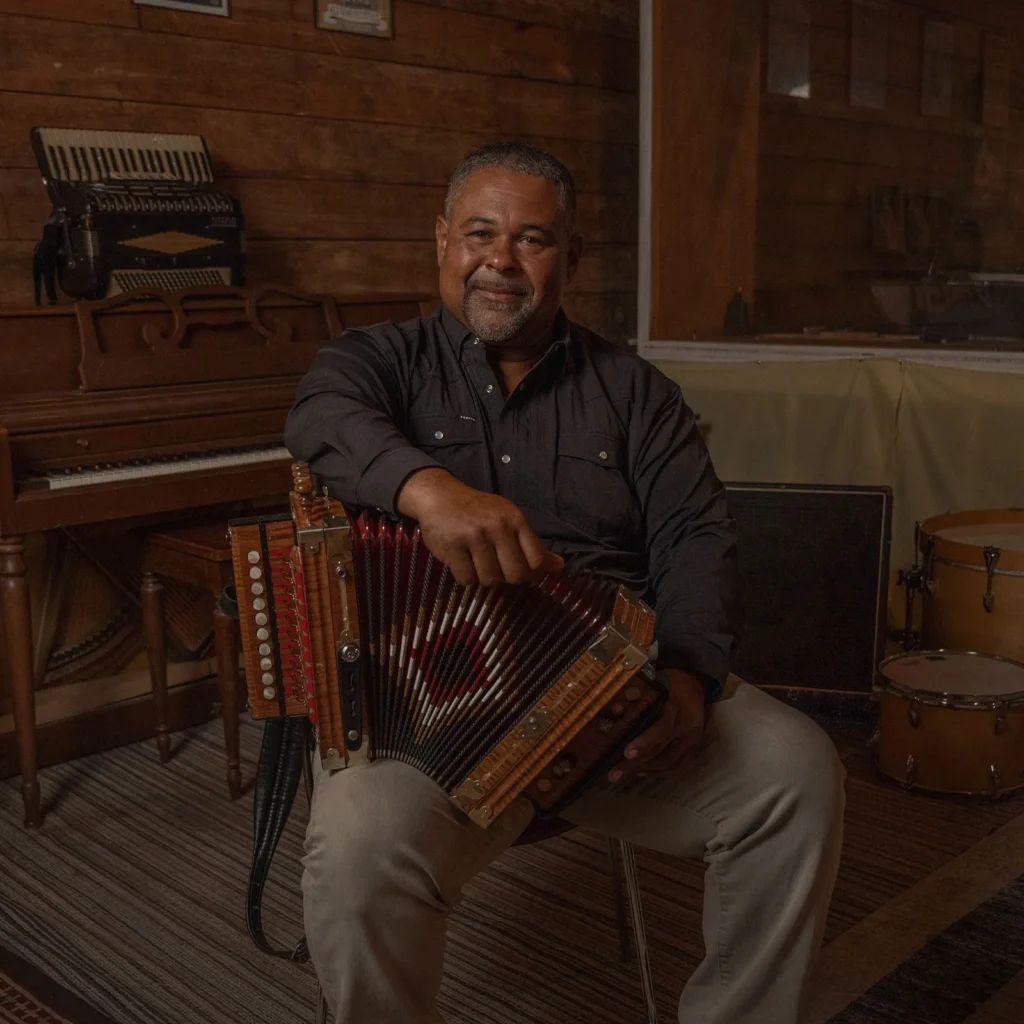
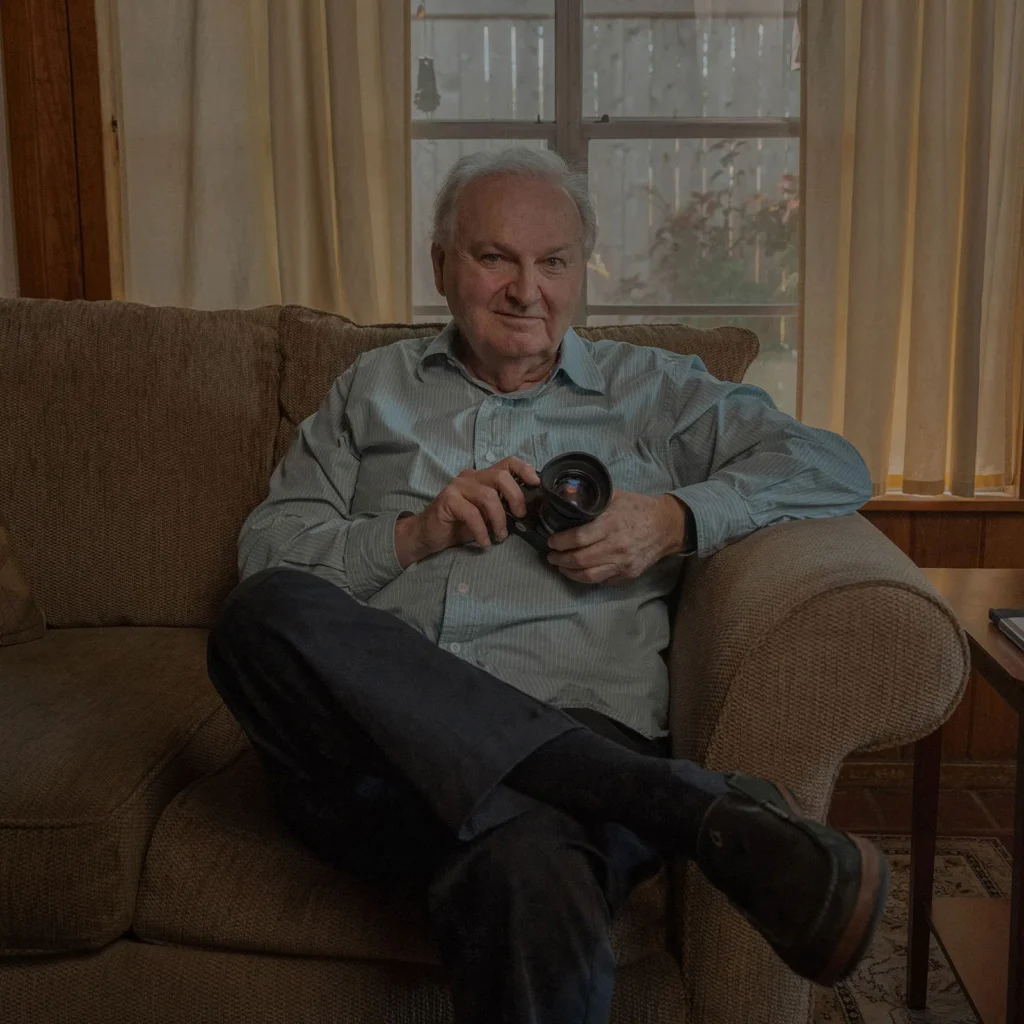
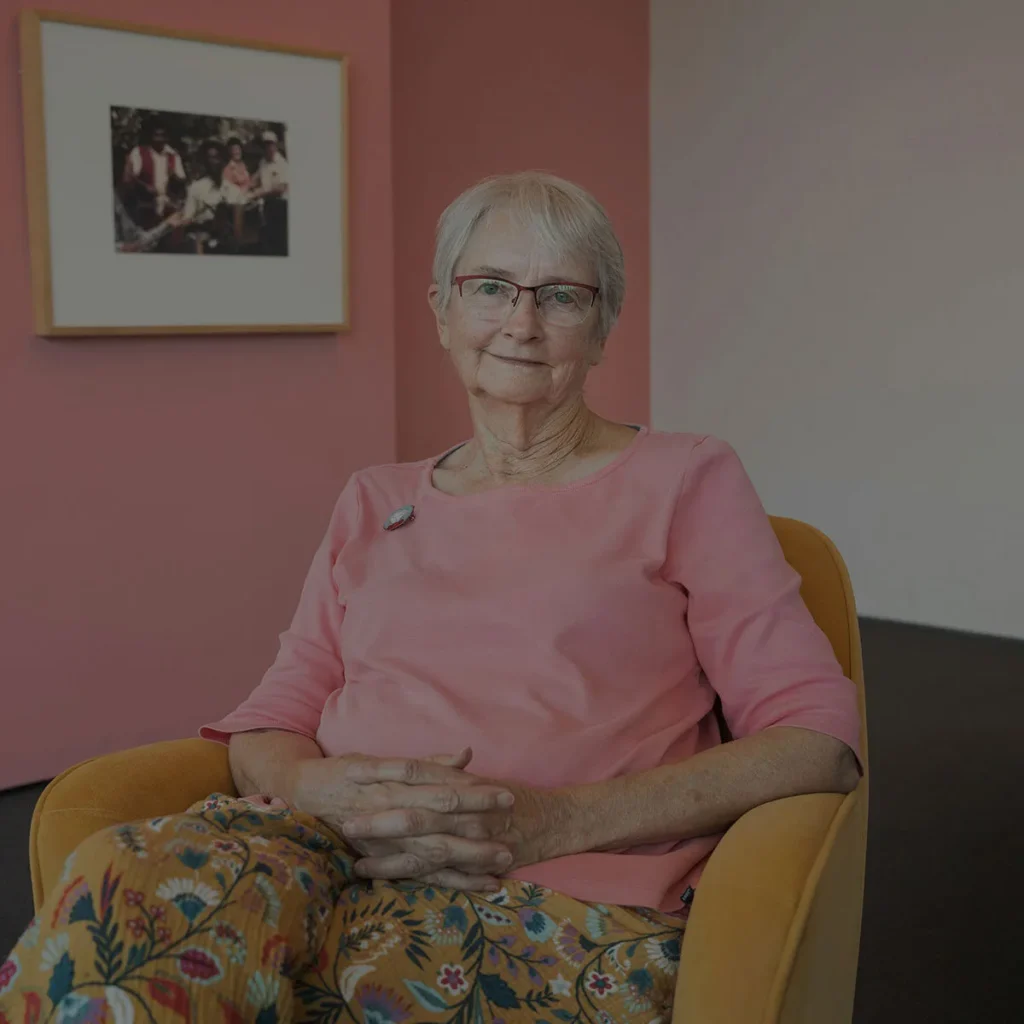
The Hilliard Presents Barry Jean Ancelet, Christine Balfa, Dexter Ardoin, James Edmunds, Philip Gould & Mary Morgan
Folklife festivals celebrate regional traditions, music, craft, and cultural heritage by bringing communities together to share their living histories. But the story they tell is even broader, and the impact reaches far beyond the single experience. In this documentary, speakers expose what it means to embody a culture and the rigor involved in preserving it for future generations.
Reflecting across milestone moments from the 1964 Newport Folk Festival to the 1974 Tribute to Cajun Music Concert at Blackham Coliseum in Lafayette, LA, to the 1976 Festival of American Folklife in Washington, D.C., through what is now known as Festivals Acadiens et Créoles.
This exhibition and documentary explores how Cajun & Creole music and culture from South Louisiana becomes a microcosm of the whole story of art, festivals, and their power to exchange.
About the 1976 Festival
For the nation’s Bicentennial in 1976, the Festival of American Folklife organized a transformational program. It was an exchange of ideas, heritage, and friendship. Programs took place from June 16 to September 6 with more than 5,000 participants. The 1976 Festival involved every region of the United States, 38 foreign countries, scores of Native American tribes, and many labor organizations. The Smithsonian reports that approximately 4.5 million people attended the Festival, more than seven times the population of Washington, D.C., at the time.
The 1976 Festival featured seven thematic programs, complemented by a Festival Stage. The programs included the African Diaspora, Old Ways in the New World, Native Americans, Family Folklore, Regional America, Working Americans and Children’s folklore. It took place in the western part of the National Mall to the south of the Reflecting Pool, surrounded by monuments. For many of the Cajun & Creole musicians participating, this was their first time traveling outside of Louisiana. Through mentoring and shared experience, the format of the D.C. festival led to the creation of the Festivals Acadiens et Créoles in Louisiana.
See the bicentennial through an artist’s lens, 50 years on
The exhibition, Elemore Morgan Jr. — Photographs from the Festival of American Folklife, 1976, on view from October 9 – December 19, 2026, is presented by Festivals Acadiens et Créoles in collaboration with the Smithsonian Folklife Festival and Center for Louisiana Studies.
Panel Discussion – Archive as Art: Elemore Morgan Jr. at the ’76 Folklife Festival
On October 9, 2026, a panel discussion will take place within the Hilliard’s exhibition of Elemore Morgan Jr.’s photographs from the 1976 Festival of American Folklife. This conversation will use Morgan’s work as a point of departure for a broader exploration of photography as both documentation and artistic expression.
Folklife photography has long served to record a people and their traditions. For Morgan, a painter, it also built a “vocabulary of forms.” What happens to our understanding of a place, and an identity, when its documents are also its art?
This event is part of “Revolution and Evolution: Celebrating 250 of Cultural Fusion on the Bayou,” organized by the UL Center for Louisiana Studies in collaboration with Festival Acadiens et Créoles and Smithsonian Folklife Festival.
Acknowledgments
This film was produced by the Hilliard Art Museum at the University of Louisiana at Lafayette to accompany the exhibition, Elemore Morgan Jr. — Photographs from the Festival of American Folklife, 1976. The team thanks the historians and artists for sharing their time and stories, especially Mary Morgan for her trust and collaboration.
Special thanks to Lafayette native, Olivia Luz Perillo, for her collaboration and for sharing her artistry as the Director/Producer of the exhibition’s mini-documentary video and photography. Aubrey A. Daval is Creative Director and Curator of the exhibition and engagement extensions for the Hilliard.
Thank you to the Christopher Stafford Memorial Foundation for hosting Dexter Ardoin for this film.
