Fragile Matter: The Hilliard Permanent Collection and Beyond —
Manon Bellet, Hannah Chalew & Harriet Joor
An intergenerational artistic dialogue on the beauty and fragility of the Louisiana Ecosystem
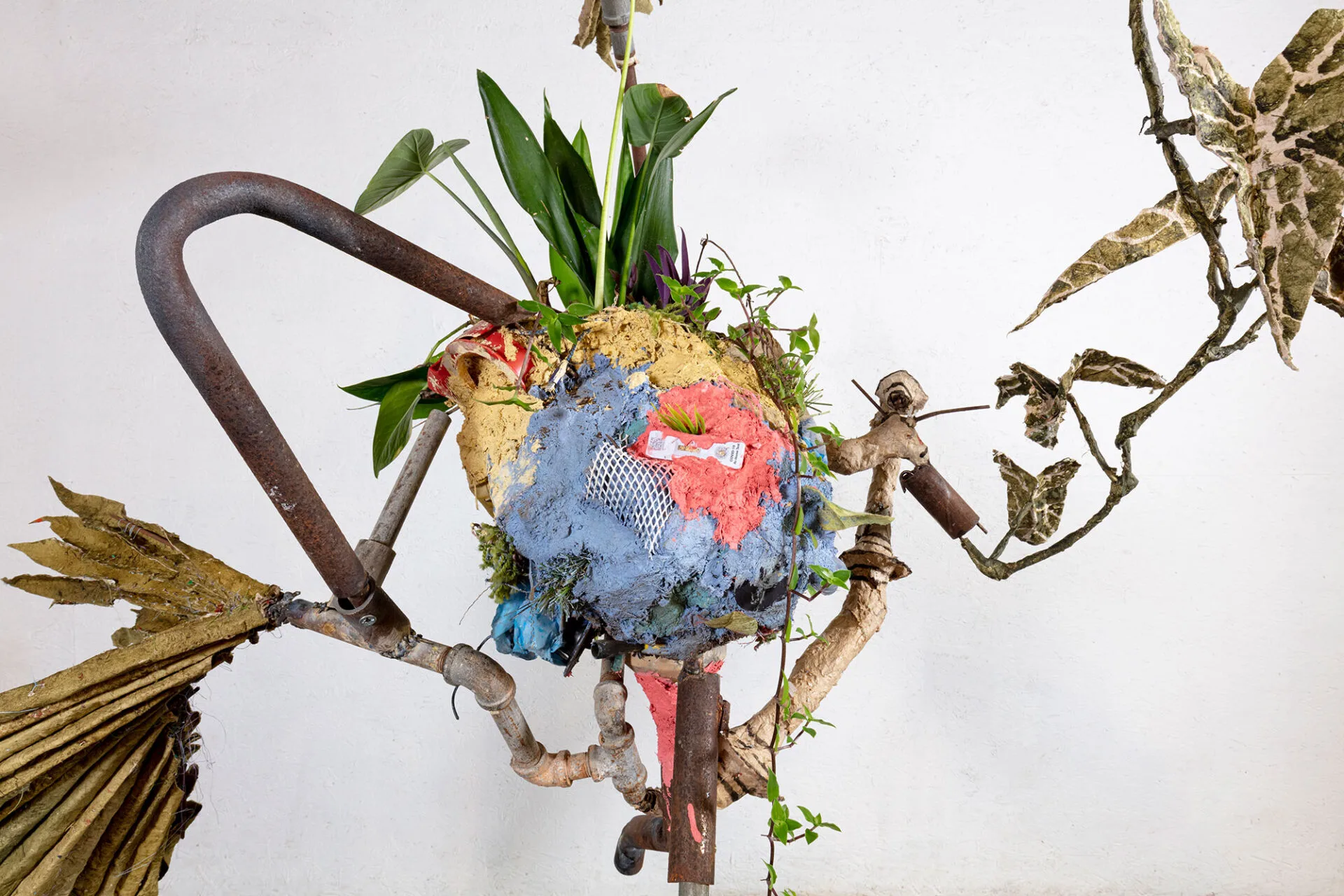
Fragile Matter brings together historic work from the museum’s permanent collection with contemporary art, creating a dialogue between past and present perspectives on Louisiana’s fragile ecosystem. The exhibition features Louisiana artist Harriet Coulter Joor (1875-1965) from the Hilliard’s permanent collection alongside contemporary Louisiana artists Manon Bellet (b. 1979) and Hannah Chalew (b. 1986).
Though shaped by different historical and cultural contexts, these three artists share a deep reverence for nature and an awareness of the delicate ecological state of the Gulf South. Through craft, material studies, and nuanced environmental understanding, their work traces a rich artistic lineage that spans generations.
Together, these artists create an intergenerational conversation about our relationship to the natural world—how we mark it, mourn it, remember it, and find ourselves reflected in it. Fragile Matter acts as both an ode and invitation, to touch the earth more gently, to reflect on the past more thoughtfully, and to imagine new futures through the fragile and poetic materials of the present.
Harriet Joor
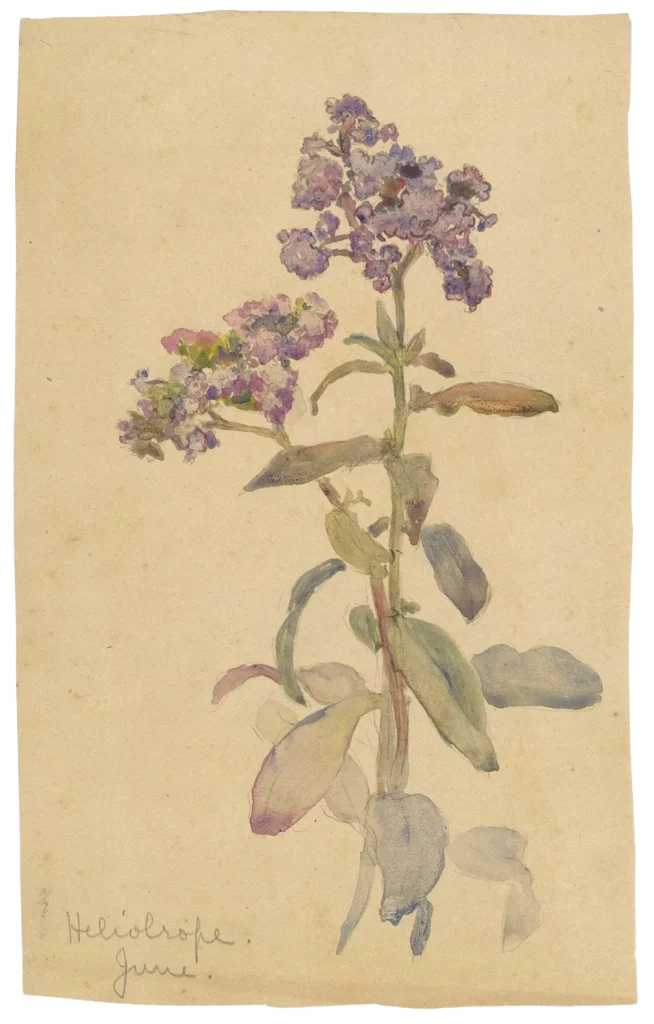
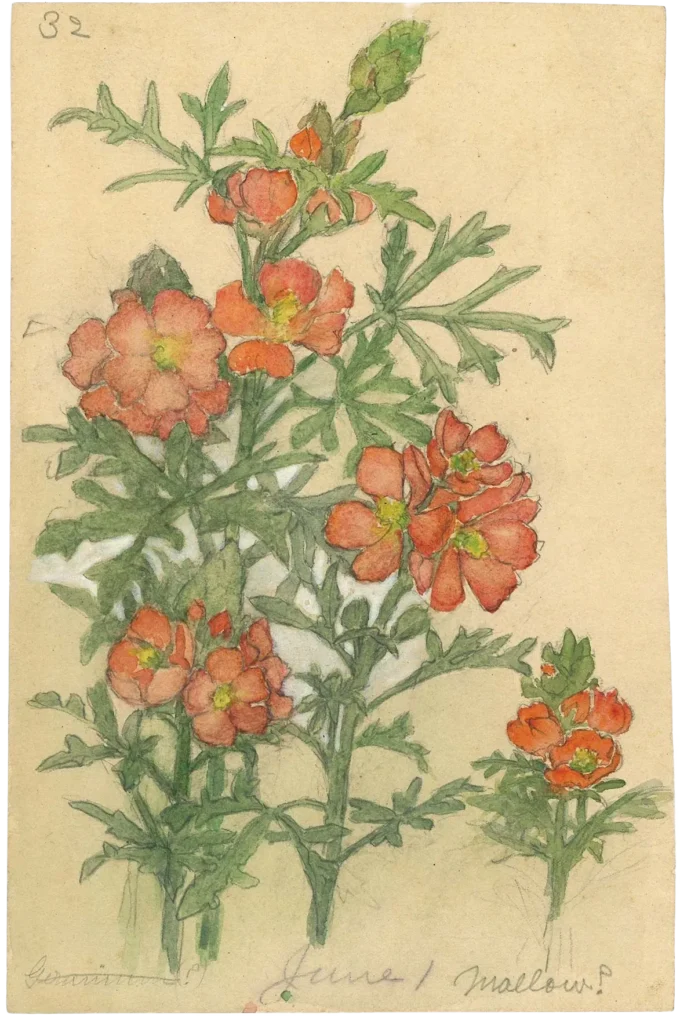
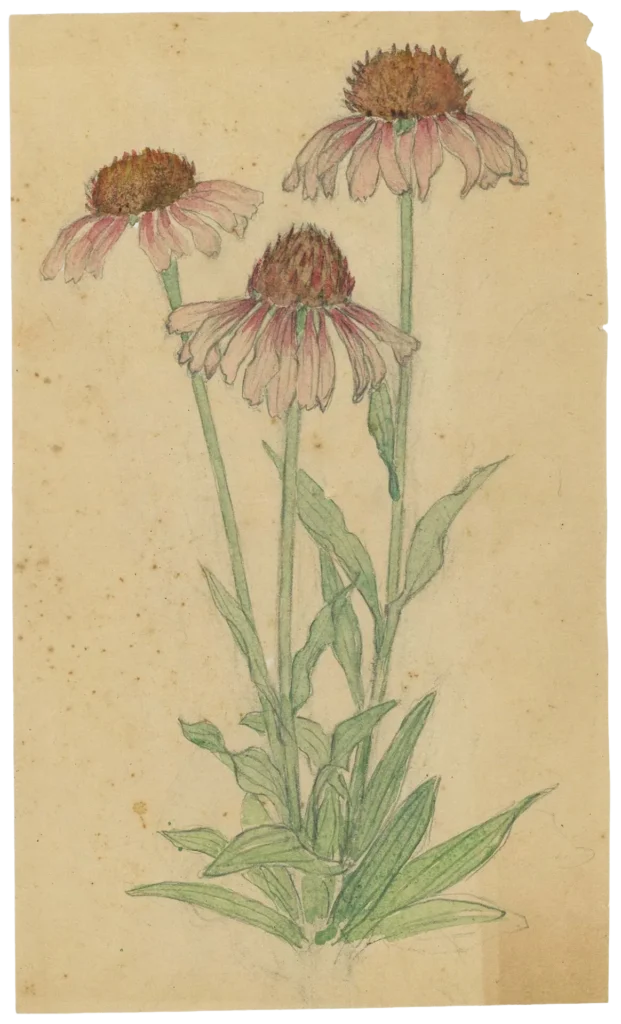
Legacy artist Harriet Coulter Joor (1875–1965) was among the female artists associated with the Newcomb College arts program who advocated for a philosophy of design rooted in nature. Her artworks reflect an early 20th-century understanding that found beauty and meaning in Louisiana’s flora and fauna, providing a historical foundation for how regional artists have long engaged with the natural world. The Hilliard Art Museum holds over 200 of Joor’s artworks, which were part of the museum’s founding collection.
Born in Texas, Joor moved to Louisiana at age 13 when her father, a botanist, was appointed as faculty and Associate Curator at Tulane University’s Natural History Museum. She attended Newcomb College’s preparatory school, where she showed a natural gift for rendering botanicals. She later graduated from Newcomb College in 1895 with a Bachelor of Science. After graduation, she and nine other women enrolled in the Newcomb Arts/Pottery program, an arts and crafts curriculum that grew from classes taught at the 1884 World Cotton Exposition.
What began as an experiment became one of the most significant developments in Modern Art. The program created unprecedented opportunities for women to participate in industrial arts while nurturng future employment prospects. Over time, Joor became a prominent figure in the Newcomb Arts movement both in Louisiana and nationally, working at the intersection of art, design, and education.
After completing her graduate degree in 1901, she moved to Chicago to work as a pottery designer and teach at the University of Chicago. Her career then took her across the country: she spent two years teaching wounded World War I veterans at Walter Reed Hospital in Washington D.C., followed by two years as a homesteader on the South Dakota prairie. Eventually, she returned to Louisiana to teach art at Newcomb College and later at Southwestern Louisiana in Lafayette, now University of Louisiana at Lafayette, where she retired in 1940.
Manon Bellet
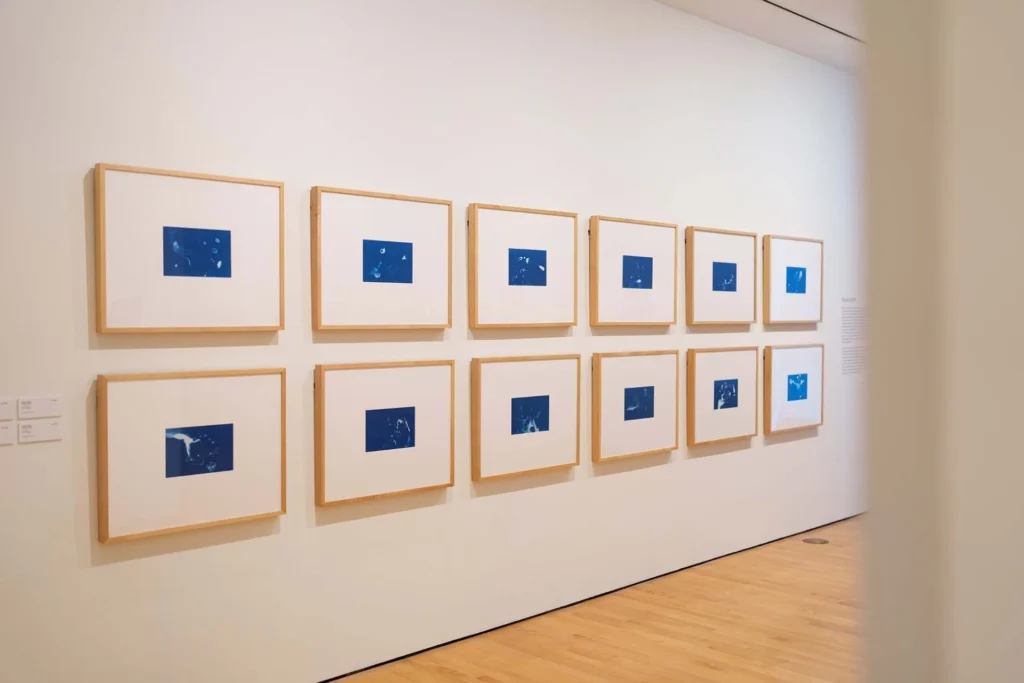
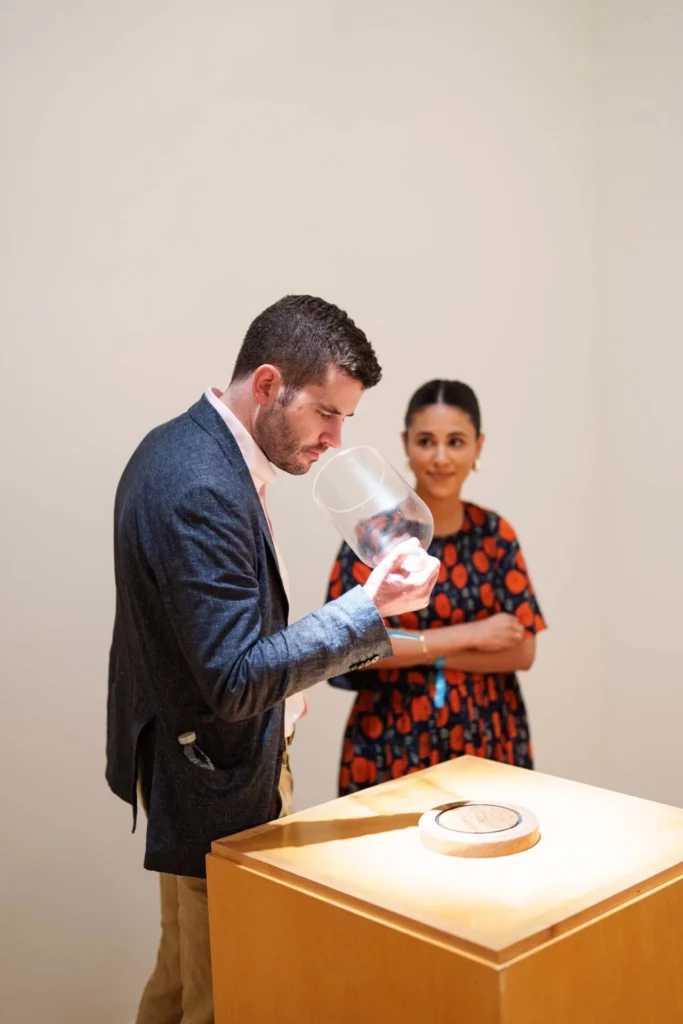
Deeply rooted in site research and storytelling, Manon Bellet works with distinct natural and organic materials such as soil, water, carbon, and plant samples to create delicate—at times completely ephemeral—artworks that speak to cycles of loss, transformation, and renewal. Incorporating photography, installation, and scent, Bellet focuses on the precarious impact of a shifting climate on our daily lives while evoking sentimental and personal memories of nature. Her materials, like the environment they echo, are in constant flux. Much of Bellet’s practice is informed by time spent on the Gulf Coast, where she responds directly to the region’s ecological realities and their societal effects.
Bellet, born in France, has been based in New Orleans since 2016 and holds both undergraduate and graduate degrees from the École Cantonale d’Art du Valais in Switzerland. Her work has been shown extensively both nationally and internationally at notable institutions including the Jule Collins Smith Museum of Fine Art at Auburn University, the New Orleans Museum of Art, Centre Culturel Ferme Asile in Switzerland, the Wilhelm Hack Museum in Ludwigshafen, Germany, and the Musée cantonal des Beaux-Arts in Lausanne, Switzerland.
Hannah Chalew
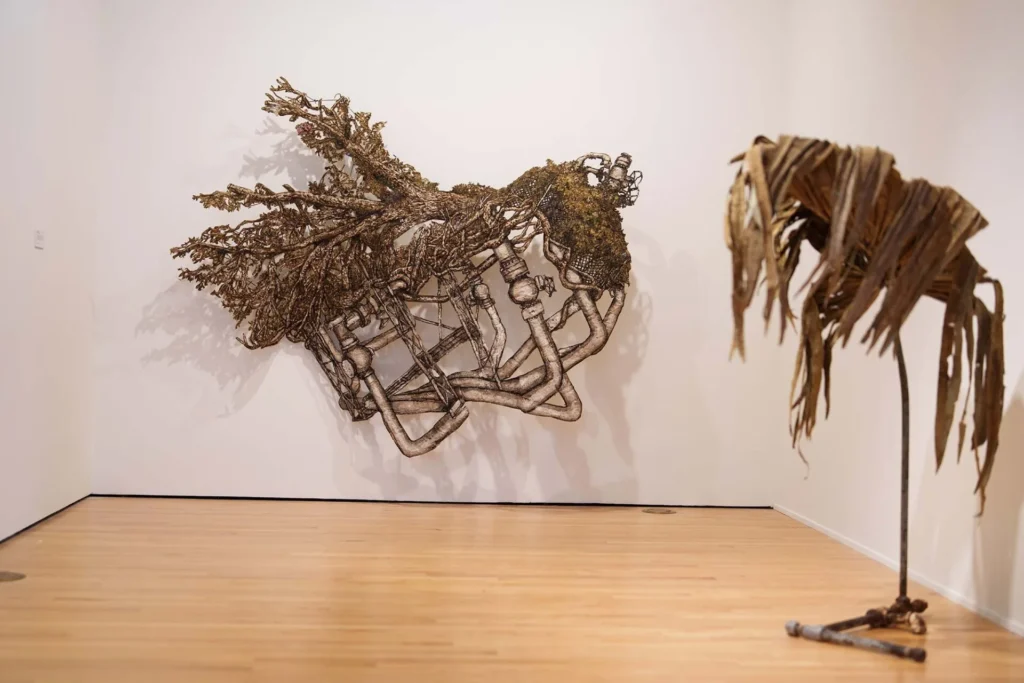
Hannah Chalew’s practice is deeply attuned to the effects of rising sea levels and industrialization within the Gulf South. Her practice blurs the lines between built spaces and the wild outdoors, rooted in exploring the region’s fraught balance between ecological and industrial forces and their constant push and pull on one another. Many of her works are created from repurposed materials—single-use plastics, plant matter, and soil—to construct drawings and sculptural forms that reflect on nature’s persistence despite environmental shifts. Her work serves as both record and response, making visible the environmental realities of the region while imagining new possibilities for survival and adaptation.
The New Orleans-based artist received her undergraduate degree from Brandeis University and graduate degree from Cranbrook Academy of Art and has exhibited widely throughout the United States. She has been the recipient of numerous national grants, most notably the New Museum Ideas City Production Grant with support from the National Endowment for the Arts and the 2022 South Arts Southern Prize. She has also participated in prestigious residencies including the Hambidge Center for the Creative Arts, the Joan Mitchell Center, and the Vermont Studio Center.
