A Century in Focus — Images from Women Photographers of the 20th Century
Explore the groundbreaking work of twenty women photographers whose images redefined visual storytelling and shaped the field of photography.
Photography changed the way we see and remember the world. Throughout the twentieth century, women photographers pushed the medium beyond documentation, using it to explore identity, place, beauty, struggle, and everyday life. In times of profound social and political change, the photographers in this show each found their own ways to make sense of a rapidly changing world.
Some turned their cameras toward the realities around them. Dorothea Lange and Sabine Weiss used photography to illuminate the effects of economic hardship, migration, and changing cities. Others, including Anne W. Brigman and Ruth Bernhard, embraced experimentation, abstraction, and artistic expression, demonstrating how photography could be as imaginative and expressive as any other art form. Together, their work challenged traditional ideas about what photography could be—and helped establish it as one of the defining artistic and cultural languages of the twentieth century.
Working across documentary photography, photojournalism, portraiture, abstraction, and experimentation, these artists created images that continue to shape how we understand modern life. Their photographs offer intimate glimpses of people and places while inviting us to consider larger questions of family, memory, resilience, and social change.
At a time when photography—and the worlds it recorded—were changing quickly, these women claimed space for their own perspectives and ways of seeing. Their contributions challenged the narratives of art and journalism and opened doors for generations of women photographers and image makers to follow.
The photographs in this exhibition remind us that photography is more than a record of what happened. It can be a way of looking closely, asking questions, finding connection, and making the unseen visible. Many of these images were made decades ago, yet their human stories and questions continue to resonate today.
Featuring works by Linda Alterwitz, Ruth Bernhard, Ilse Bing, Margaret Bourke-White, Anne W. Brigman, Debbie Fleming Caffery, Anna Eaton Collins, Adrian Deckbar, Abbey Drucker, Antoinette Marie Ducrest, Mildred Grossman, Dorothea Lange, Helen Levitt, Rose Mandel, Allison Petit, Barbara Riley, Sandra Russell-Clark, and Sabine Weiss.
This exhibition is supported by Janine and Craig Thomson and the Robert and Jolie Shelton Exhibition Fund, with generous contributions from Jeanine Piskurich.
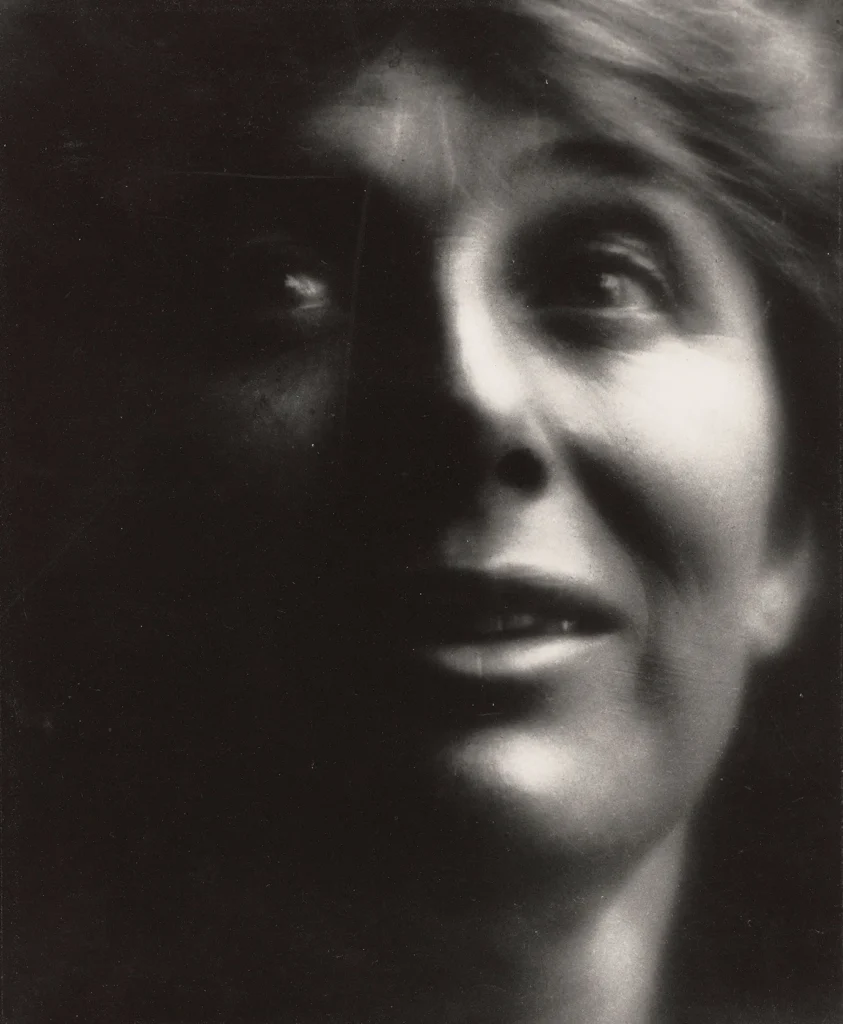
Dorothea Lange, Dorothea Lange’s Mother, c. 1915. Collection of the Hilliard Art Museum. Gift of The Museum of Modern Art, New York. © Dorothea Lange. Image courtesy of The Museum of Modern Art, New York.
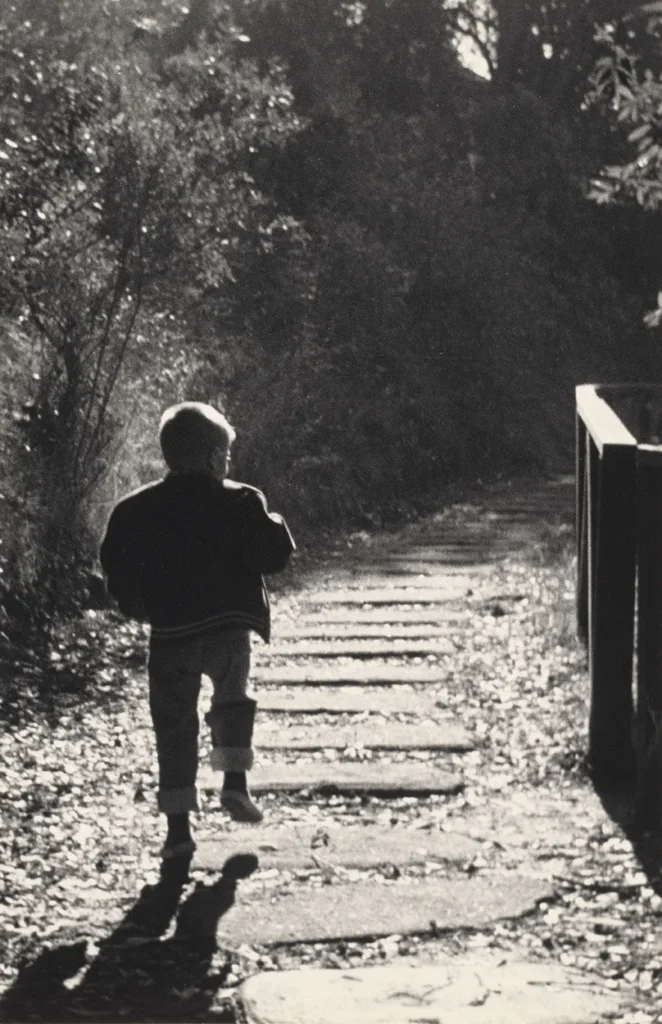
Dorothea Lange, Greg, Running, 1958. Collection of the Hilliard Art Museum. Gift of The Museum of Modern Art, New York. © Dorothea Lange. Image courtesy of The Museum of Modern Art, New York.
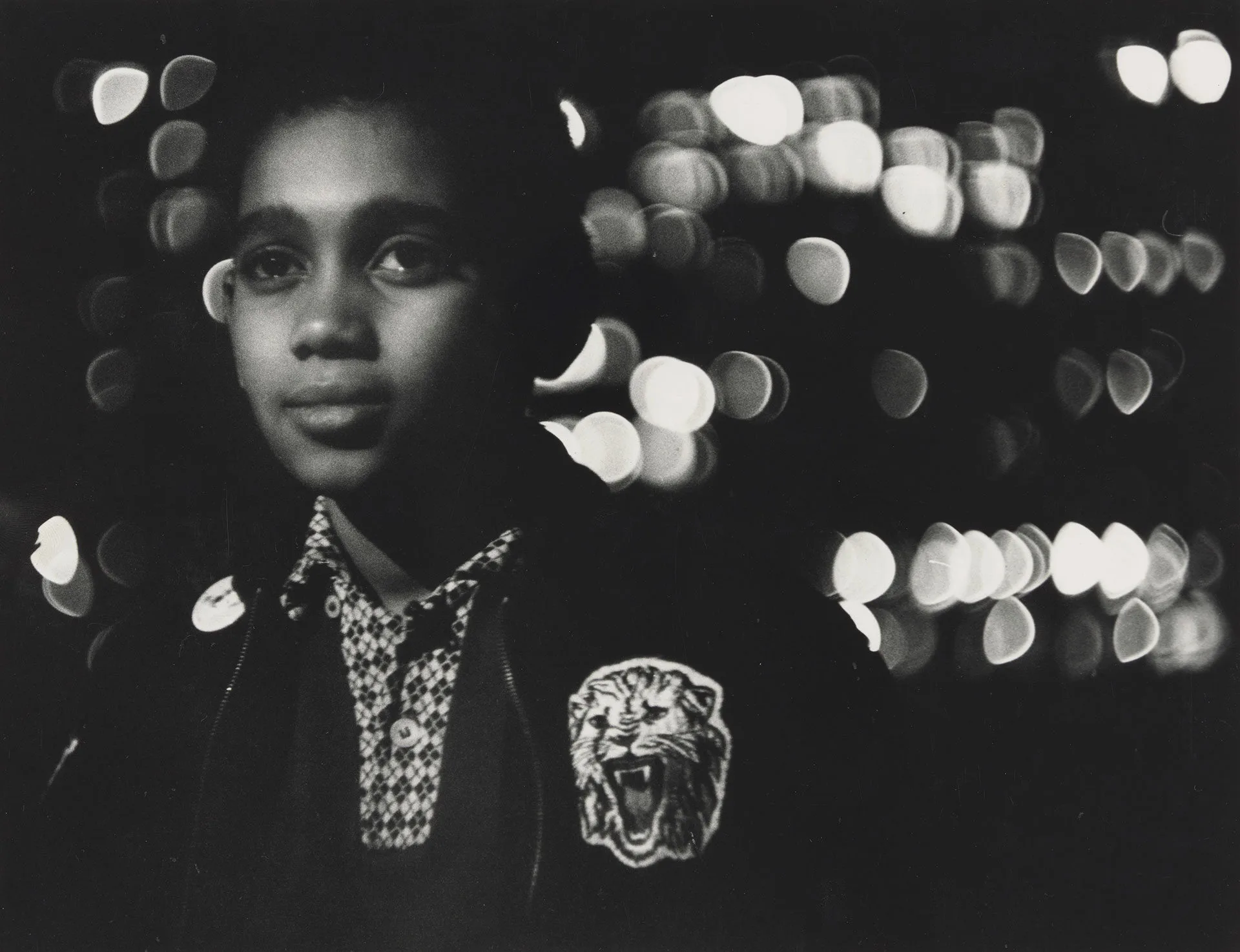
Sabine Weiss, Jeune Noire, c. 1950 Collection of the Hilliard Art Museum. Gift of The Museum of Modern Art, New York. © Sabine Weiss. Image courtesy of The Museum of Modern Art, New York.
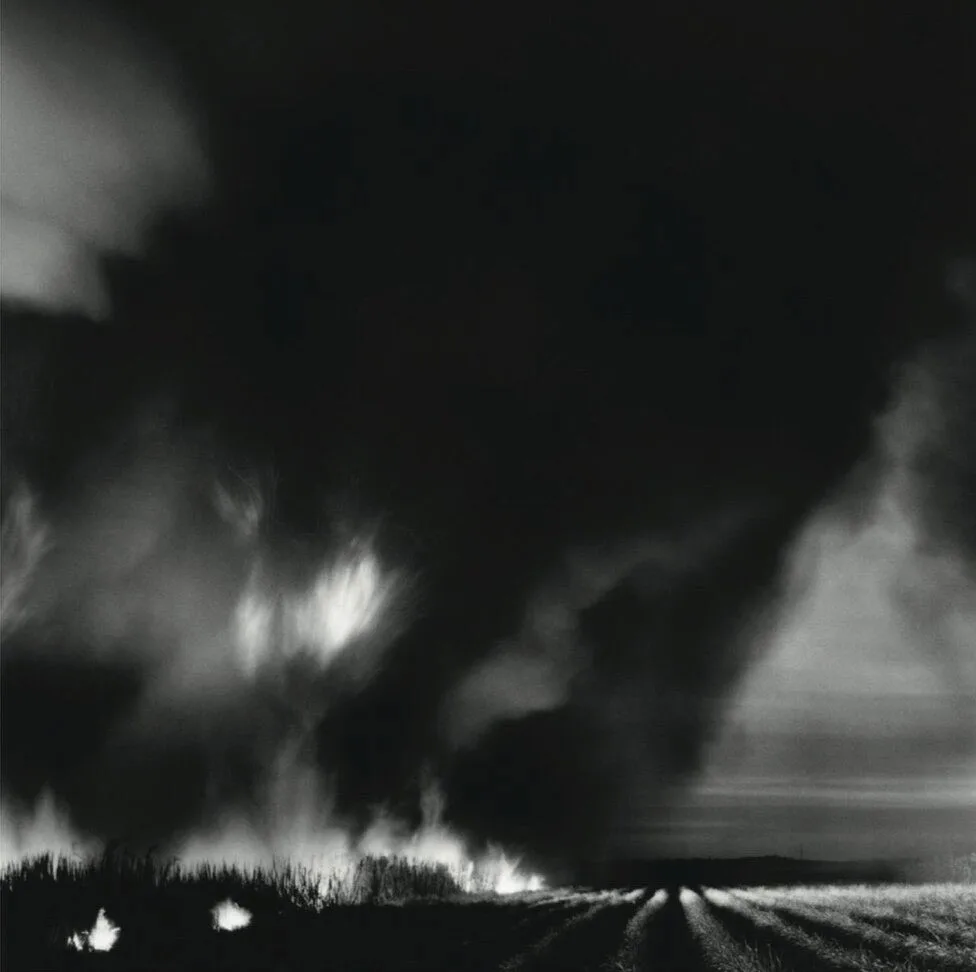
Debbie Fleming Caffery, Burning Cane at Sunset, 2001. Collection of the Hilliard Art Museum. © Debbie Fleming Caffery.
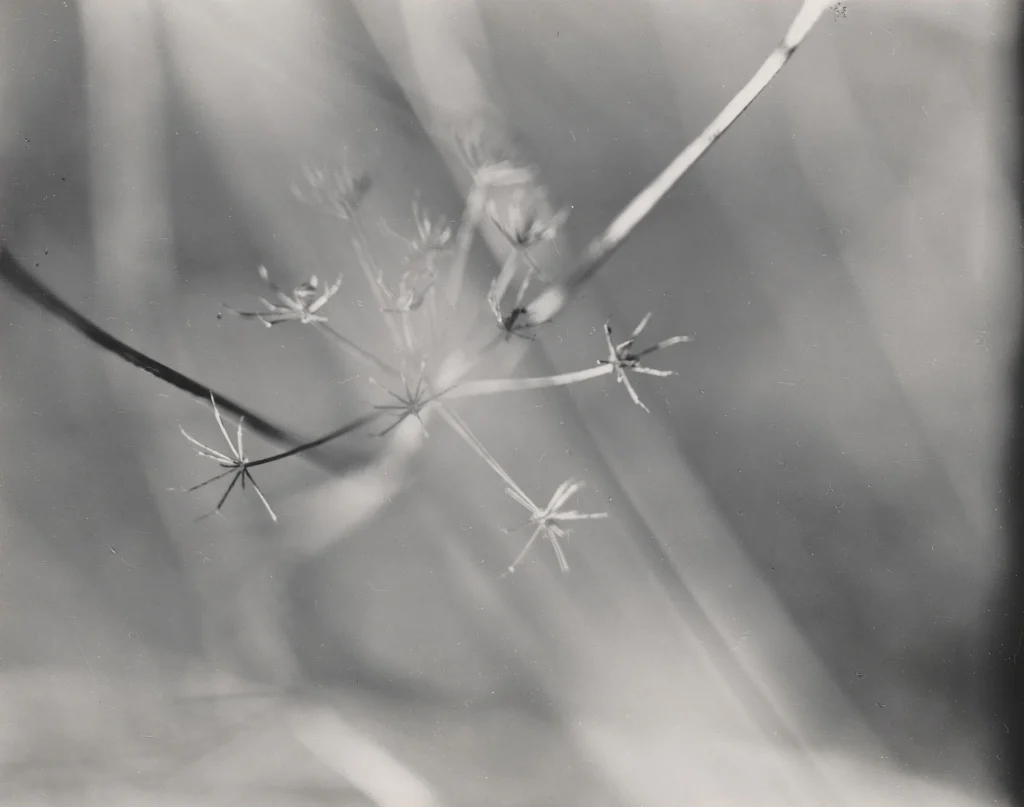
Rose Mandel, Untitled, c. 1950. Collection of the Hilliard Art Museum. Gift of The Museum of Modern Art, New York. © Rose Mandel. Image courtesy of The Museum of Modern Art, New York.
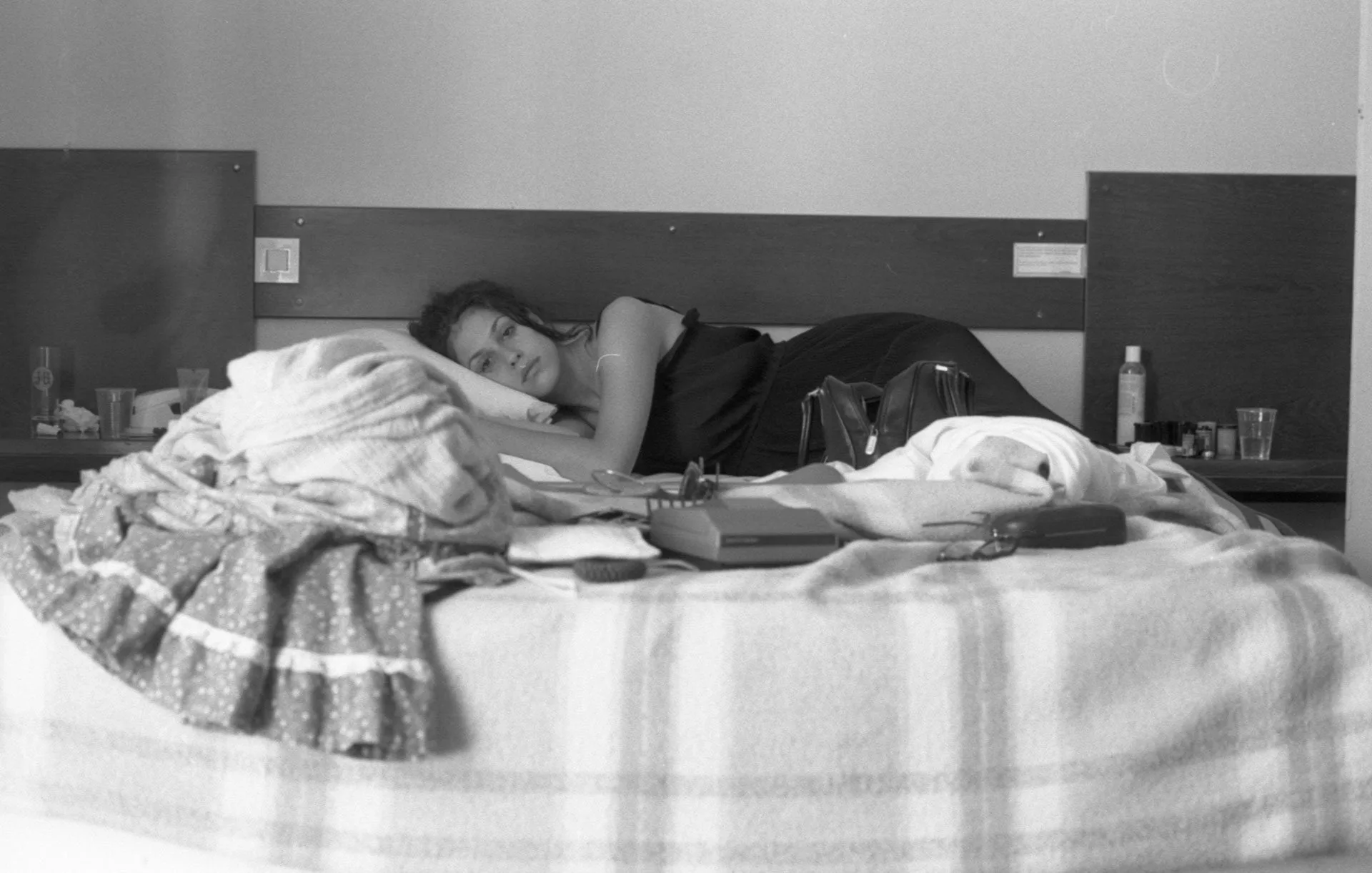
Abbey Drucker, Self Portrait, France, 2002. Courtesy of the artist. © Abbey Drucker.
