Andy Warhol: Plus One is Presented by Dr. Jay Culotta
10 things to know about Warhol and photography
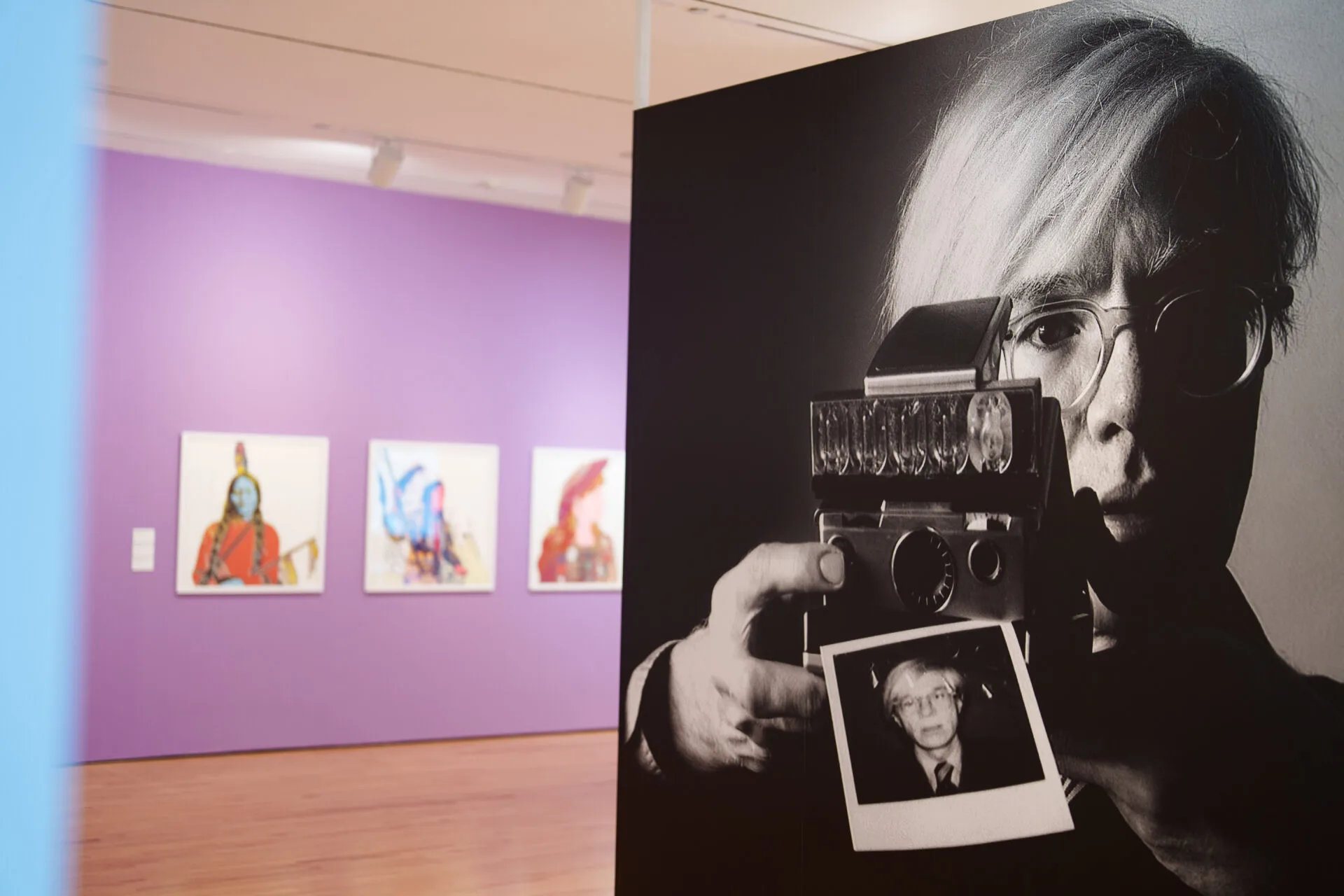
Life at Shutter Speed
Plus One examines the concept of inner circles and the companions who are brought along to participate in or observe special occasions and other invited events. We know Andy Warhol had many “plus ones” in his life, and was fascinated by photo documentation from the studio to his home and beyond. This passion extended into spiritual and natural spaces, as evidenced by his extensive archives. In this article, explore an intersectional view of the iconic maker behind and in front of the camera.
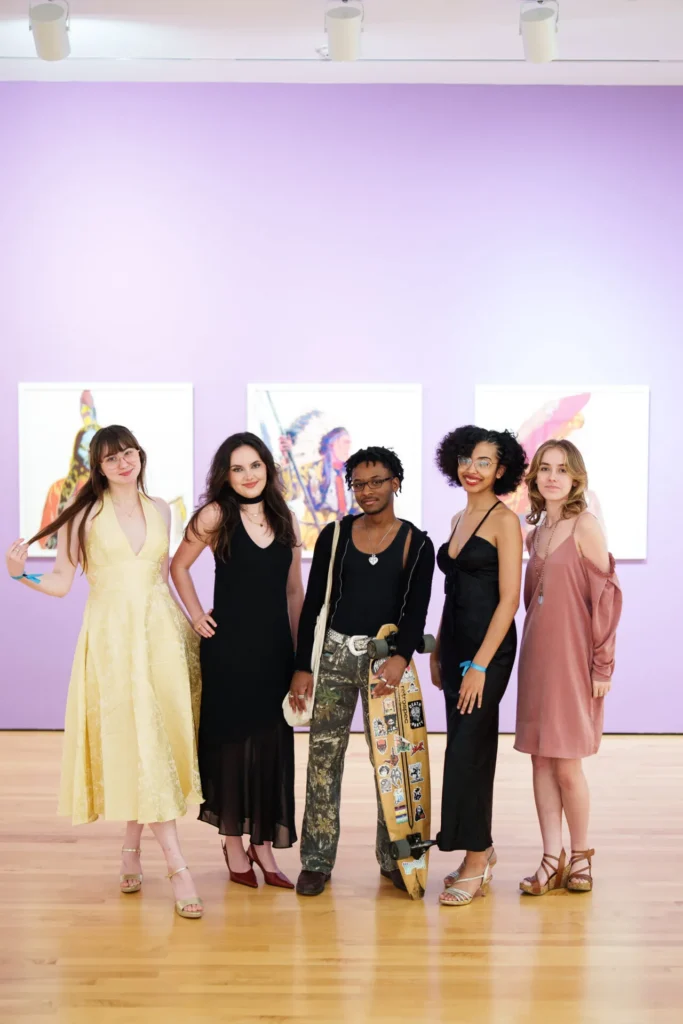
The Hilliard’s exhibition, Andy Warhol: Plus One, spotlights photographs and select screenprints from the Hilliard Permanent Collection. Read on to learn how these came to be in the collection, their importance, and why a few artworks might surprise you.
1. 130,000 – The approximate number of photographs that make up a lifetime.
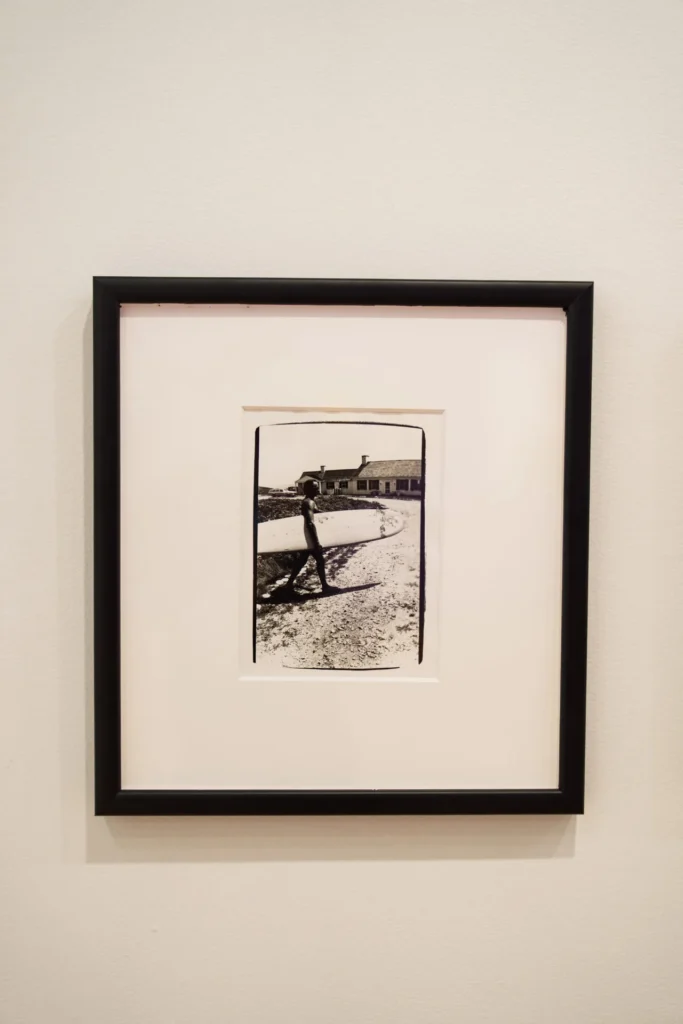
Andy Warhol had an insatiable drive to capture the people and places around him. Photography enabled him to do so in rapid succession, leading to the creation of over 130,000 images. Plus One invites viewers to consider how relationships can subtly but profoundly alter the direction of a moment. Photography in the world of Andy Warhol became both art and exposure —traces of existence and experiences.
The Andy Warhol Foundation for the Visual Arts and the Cantor Arts Center at Stanford University have worked together to provide online access to Andy Warhol’s largest archive of photographs.
2. In an insta! Polaroids led Andy Warhol to create his famous silkscreens.
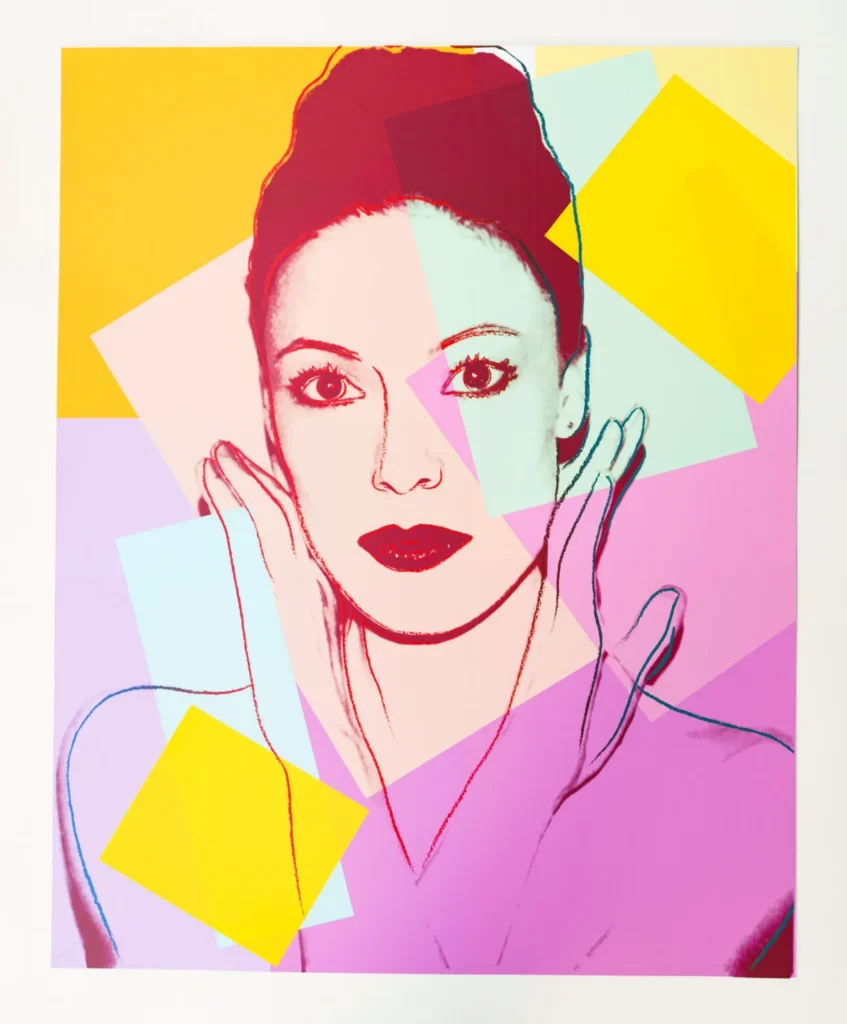
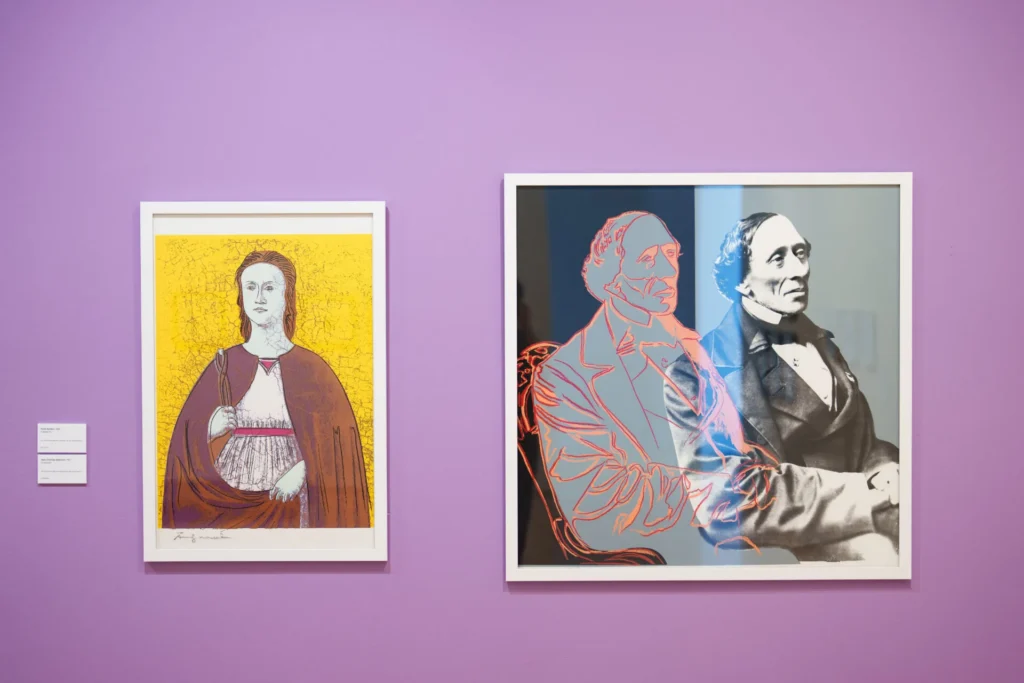
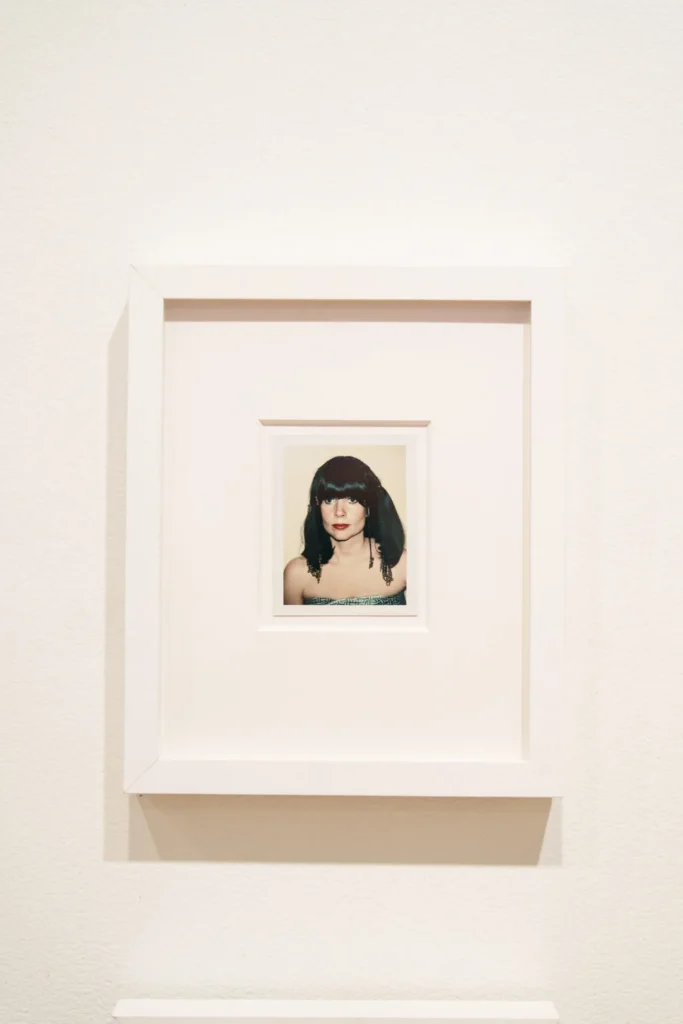
Yes, before the “gram,” there was Andy. Though his iconic screenprints are clearly derived from photographs, his use of the medium seems secondary in the larger conversation about his work. One such transition from photograph to screenprint is featured on the walls of the Hilliard exhibition, the neon rendering of the graceful ballerina and Artistic Director Emerita of the National Ballet of Canada, Karen Kain.
3. Andy Warhol was a lover of photographs from the beginning.
During his 1950s commercial art career, Andy Warhol used press photographs, advertisements, and snapshots as direct source material. These early illustrations are bright and whimsical, featuring sweet cats, coy angels, and shoes, shoes, shoes!
4. Warhol hated having his picture taken, yet took many self-portraits.
Andy Warhol enjoyed the immediacy of photography, and that extended to his use of the quick technology found within the photo booth. He had a coin-operated photo booth installed in his studio, the Factory, during the 1960s. This meant he could snap photos and get multiple images in the iconic 4-shot succession.
One iconic self-portrait shows Warhol alone in the booth, creating an intimate yet guarded image that was later produced as a screenprint. There are an astonishing 204 original photo booth strips in Time Capsule #21 held at The Warhol Museum.
5. Warhol, the Catholic, and a rare film reel.
Warhol’s love of the camera extended into moving images; he produced over 600 films in five years. In the rare, unfinished reel titled Sunset, art interacts with spiritual identification. The meditative sunset over the Pacific Ocean in California unfolds as a slow and colorful shift of atmospheric light at dusk, perhaps asking the viewer to consider its own existence.
6. Andy enjoyed nature, and these photos prove it.
“Andy loved nature; he loved getting out,” says Warhol’s longtime friend and collaborator, Christopher Makos, who honored the pop artist’s love of the natural world in a 2022 joint exhibition with photographer Paul Solberg at Forest Hall in Milford, PA. The images offer a look at the artist’s sensitive side outside the city, with a small smirk he paddles a boat or poses confidently with flowers in his hair. These images may be viewed as a nod to the inspiration that Andy Warhol found in the work of American painter Georgia O’Keeffe.
7. Do you know how the Warhol objects within the Hilliard Collection came to be?
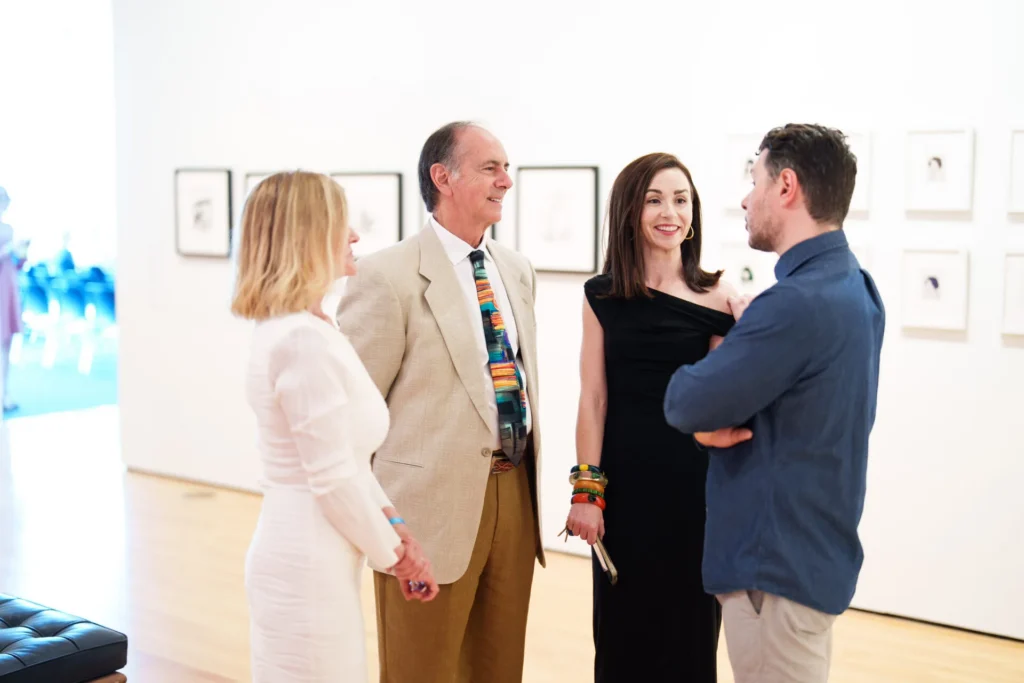
The Hilliard Art Museum’s collection of Warhol photography was donated to the museum from the Andy Warhol Foundation for the Visual Arts’ Photographic Legacy Project, which began in 2007. Through this initiative, nearly 30,000 photographs were distributed from his estate to institutions around the country, broadening the reach of this vital and lesser-known part of Warhol’s practice.
8. Warhol’s bond with his mother relates to a special photo in the exhibition
Andy Warhol lived with his mother, Julia Warhol, most of his life, and her hand is a mark on his early art. She had a distinctive handwriting, and he had her sign some sketches for him. We can imagine that he also found the iconic soup cans and other household items he would come to use in his work within her kitchen in Pittsburgh, PA.
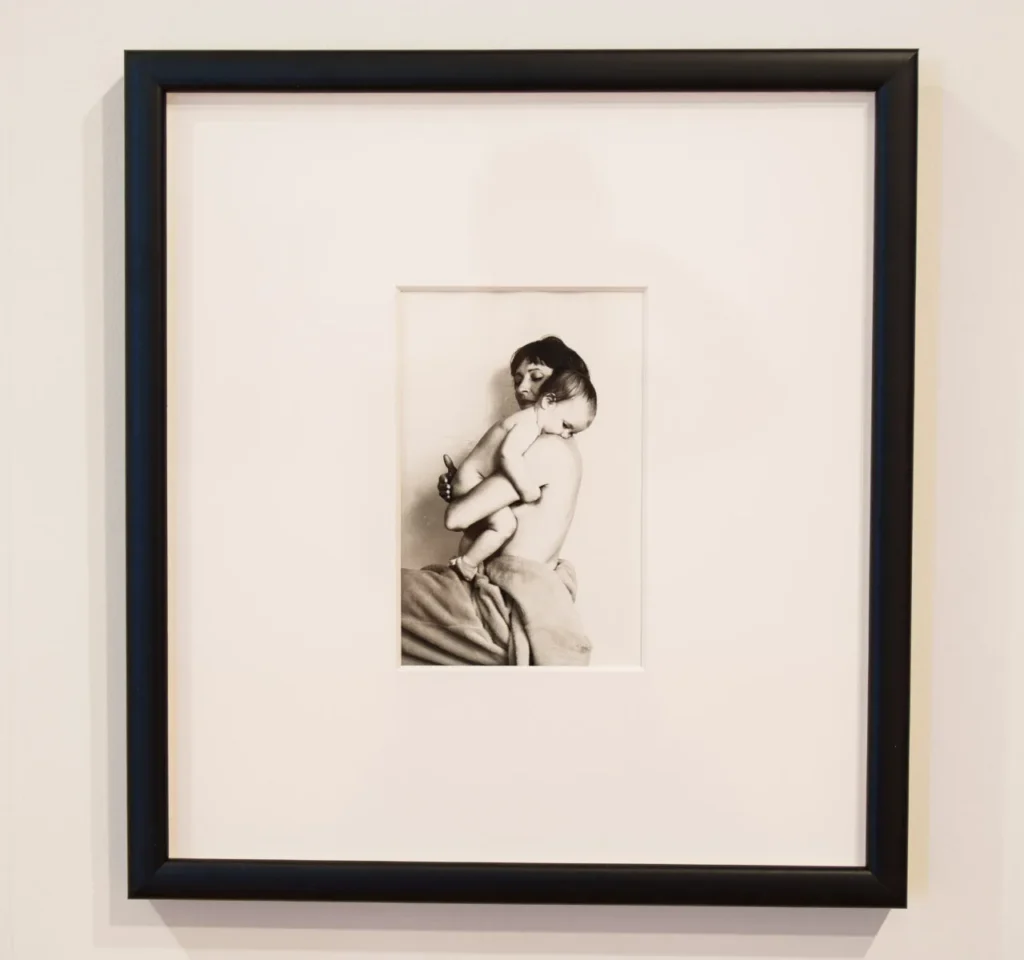
One undated black and white image within the Hilliard’s collection of Warhol photographs is titled, Mother and Child—and one can’t help but think of the incredible bond the artist had with his own originator when viewing the piece.
9. Andy wasn’t the only photographer at the Factory
Warhol mined the people around him and allowed many creators within the foiled walls of the Factory, including these photographers:
10. “In the future, everyone will be famous for 15 minutes."
Warhol was the first influencer, and his fascination with celebrity, image-making, and observation foreshadowed many of the themes in our lives today. Join us at the museum on August 6 and August 13 for a conversation taking place in two parts with Dr. Allison Leigh, Associate Professor of Art History at the University of Louisiana at Lafayette and author of BURN THE LAST ONE: Misogyny and Modern Art from Delacroix to Picasso. Professor Leigh spills the tea on the enduring influence of Andy Warhol—from his role as influencer to the voyeuristic nature of his life and studio practice.
Acknowledgments
Andy Warhol: Plus One is Presented by Dr. Jay Culotta
The Hilliard Art Museum extends a heartfelt thanks to Dr. Jay Culotta for his commitment to the arts and for presenting Andy Warhol: Plus One, Selections from the Permanent Collection, on view through August 15, 2026.
